Our Blog

Not-So-Sweet Sweets

October 17th, 2025

Birthdays. Valentine’s Day. Halloween. A trip to the movies. There are just some occasions where a sweet treat is on the menu. Now that you are getting braces, does that mean you have to give up desserts completely? Not at all! The trick to finding the right treat is to know which foods are safe for your braces and which should wait until your treatment is complete.

There are some foods which should always be avoided. They fall into three main categories:

  • Hard and Crunchy

Hard candies, peanut brittle, popcorn balls, nutty candy bars—anything that is hard to bite into is hard on your braces, and can damage brackets or even break them.

  • Chewy

Caramels, taffy, chewy squares and rolls, licorice and other super-chewy candies can break brackets and bend wires. Not to mention, they are really difficult to clean from the surface of teeth and braces.

  • Sticky

Soft foods are generally fine, but soft and sticky candies are another thing entirely. Gumdrops, jelly beans, most gum and other sticky treats stick to your braces, making it hard to clean all that sugar from around your brackets. And even soft sticky candies can bend wires or damage your brackets.

As you have probably noticed, almost all candy falls into one of these categories. Of course, while sugary treats shouldn’t be a major part of anyone’s diet, and careful brushing and flossing are always on the menu if you do indulge, wearing braces does not mean giving up on treats entirely. A better alternative when you are craving something sweet is to choose something that avoids crunchy, chewy and sticky hazards, such as soft puddings, cupcakes or cookies. There are even some candy brands that are safe for your braces.

Talk to Dr. Frech the next time you visit our Wichita Falls, TX office about the dos and don’ts of desserts—we have tasty suggestions that will make those special occasions both sweet for you and safe for your orthodontic work!

Common Braces Problems

October 17th, 2025

It’s useful to know some of the common problems that can arise when you get braces. Even if you take great care of your braces and teeth, you might not be able to avoid certain issues or side effects that accompany braces. But don’t worry: These are all common problems that can be taken care of by following some simple advice.

If you just had your braces put on, you may notice some general soreness in your mouth. Your teeth are starting to adjust to having to shift, so they may ache, and your jaw might feel tender at first. This will subside once your mouth becomes used to the new appliance in residence.

You may experience soreness on your tongue or mouth, which may be a sign of a canker sore. Canker sores are common when braces rub against your mouth. You can use ointments to relieve pain and numb the area that’s been irritated. Canker sores are commonly caused by broken wires or loose bands on your braces.

Common Issues

  • Loose brackets: Apply a small amount of orthodontic wax to the bracket. You might also apply a little between the braces and the soft tissue of your mouth.
  • Loose bands: These must be secured in place by Dr. Frech. Try to save the band for repair.
  • Protruding or broken wires: Use the eraser end of a pencil to push the wire carefully to a less painful spot. If you are unable to move it, apply orthodontic wax to the tip. If a mouth sore develops, clean your mouth with warm salt water or antiseptic rinse.
  • Loose spacers: These will need to be repositioned by Dr. Frech and possibly replaced.

Avoiding Issues

You should avoid certain foods that could cause major damage to your braces. No matter what you eat, make the effort to cut your food into small pieces that can be chewed easily. This will prevent chunks of it from getting lodged between brackets.

Avoiding hard and chewy foods is also wise. Some foods can break your hardware: for example, popcorn, nuts, apples, gum, taffy, and hard candies. Avoiding any foods that easily got stuck in your teeth when you didn’t have braces is a good rule to follow.

The appliances in your mouth are bound to attract food particles and make it easier for plaque to build up. By making sure you brush and floss carefully every day, you can prevent stains and cavities from developing over time. Dr. Frech and our team recommend brushing and making sure that food isn’t lodged between your braces after every meal.

Having braces can be very exciting, but it can also be challenging at first. Watching for these common issues during your first few weeks can prevent problems down the road. If you experience a lot of pain from your braces, contact our Wichita Falls, TX office and we can try to resolve any issues.

Braces can sometimes be a pain, but they’re well worth it once your new smile gets revealed!

Five Tips in Caring for Your Braces During Orthodontic Treatment

October 17th, 2025

After getting your braces, it is important to know how to take care of your teeth in order to ensure that your braces stay intact and do their job so that your teeth are in top-notch condition after you complete your orthodontic treatment. Today, our team at Wichita Falls Orthodontics thought we would provide you with five tips you need to know to ensure you undergo successful treatment at our Wichita Falls, TX office.

Flossing
Flossing twice a day or after every meal can help you clean areas between teeth and other places a toothbrush can miss. We also recommend using a floss threader, which can be used to help you navigate safely around your braces and brackets. It is vital to floss twice a day, preferably after lunch and before bedtime to keep gum disease and tooth decay at bay.

Brushing
Teeth and appliances should be brushed after every meal and before bedtime using fluoride toothpaste and gentle, soft strokes. We recommend using an interdental toothbrush, which can help you clean the hard-to-reach areas under wires better than an ordinary toothbrush.

Using Elastics
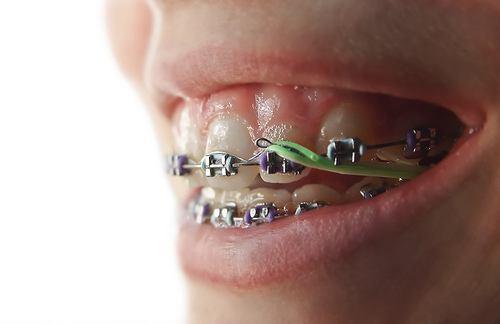
This phase of orthodontic treatment requires cooperation and consistency on your part. If your orthodontist has prescribed elastics, make sure they are worn at all times, except when eating meals or brushing teeth. It’s important that you wear the correct size elastics and have extras in case they are misplaced. By failing to wear your elastics for even one day, you run the risk your teeth moving back toward their original position.

Addressing Damage to Your Braces
In case your appliances are damaged, we ask that you call our team at Wichita Falls Orthodontics immediately to set up an appointment.

Eat Friendly Foods
When undergoing treatment, there are certain foods you must avoid. Foods that are hard, sticky, chewy or sour can add months to your treatment time. These includes gum, caramels, taco shells, nuts, ice, chips or hard candies.

We hope that helps! If you have any questions, please give us a call at our Wichita Falls, TX office or ask us during your next adjustment appointment!

Let’s Be Perfectly Clear!

October 17th, 2025

One of the most common reasons for choosing clear aligners is that they are just that—clear! You can achieve a healthy, beautiful smile without the more obvious wires and brackets of traditional braces. But if your aligners are noticeably stained well before it’s time to replace them, you can be facing days or weeks of self-conscious smiles.

Luckily, this problem is preventable. Let’s look at some of the common causes of aligner discoloration and how to avoid them.

  • Beverages that Stain Teeth Stain Aligners

You take your aligners out to eat, of course, but do you always remember to remove them when you drink a beverage? Red wines, coffee, tea, dark juices, and sodas don’t just cause enamel staining—they can discolor your aligners as well. Even worse, drinking an acidic or sugary drink with your aligners on gives that acidic, sugary beverage an opportunity to bathe your teeth in acids and sugar over a period of time. Keep your aligners (and your enamel) protected by removing them when you drink anything other than water, and brush your teeth before you replace them. If you absolutely can’t remove aligners, a straw will reduce the risk of staining.

  • Soaking in Mouthwash

Mouthwash is a way to keep your teeth and mouth fresh-smelling and free from bacteria. You also want your aligners to stay fresh and bacteria-free. So, what could be the problem in giving your aligners a good soak? Well, sometimes a colorful mouthwash can stain your aligners to match! If you’re not a fan of tinted aligners, talk to us about the safest ways to use mouthwash with your appliance.

  • Using Harsh Cleaners

There are products specifically made for aligners which will keep them their cleanest and clearest. Harsh cleaners and even toothpastes can be abrasive, leaving visible scratches or cloudiness. We’re happy to recommend the best and safest cleaning products for your aligners.

  • Inadequate Cleaning

Plaque, that bacteria film that can stick to your enamel and around your gum line, can also stick to your aligners. If you notice a white film on your appliance, it could be plaque. Thorough and regularly scheduled cleanings are essential. Talk to us about the best schedule and methods for keeping your aligners not only clear, but sanitary.

What if, despite taking precautions, your aligners do get stained? If your aligners are new, we might be able to offer you some suggestions to get you through the next week or so. If you are almost ready for your next set of aligners, you might have no problem waiting. But the simplest solution to stained aligners is prevention.

Talk to Dr. Frech at our Wichita Falls, TX office about how to keep your aligners looking their best—and least visible. Whether it’s diet suggestions or the most effective soaking and cleaning techniques, we have the answers to ensure your brightest, most confident smile. After all, isn’t that one of the reasons you chose clear aligners?